
몰리나, 우리가 걸어가는 길
서울 아파트 베란다 화분에서 꽃이 하나 핀 날부터, 주말마다 흙을 만지고 돌아오던 다섯 해 동안 우리 여덟 식구의 마음은 이미 조금씩 남쪽으로 옮겨가 있었습니다. 2016년 여름 마침내 짐을 실었습니다. 서울에서 150킬로미터 떨어진 경상북도 상주. 돌아올 날짜가 없는 길은 설렘보다 두려움이 컸고, 도착하고 나니 세상의 가장자리로 밀려난 느낌도 들었습니다. 그 허전함을 메워준 것은 개 한 마리와 고양이 두 마리, 열한 마리의 닭, 그리고 지고 피기를 멈추지 않는 정원의 꽃이었습니다.
계절이 한 바퀴 돌자 다음 질문이 왔습니다. 이제 무엇으로 먹고 살 것인가. 텃밭 몇 이랑을 가꾸고 나서야 우리 식구는 땅을 감당할 만큼 튼튼하지 않다는 것을, 농사는 애초에 튼튼함만으로 되는 일이 아니라는 것을 인정하게 되었습니다. 그래서 땅을 일구는 대신, 땅에서 나온 것을 받아 드는 자리에 서기로 했습니다. 몰리나(Molina)는 라틴어로 방앗간을 뜻합니다. 곡식을 가공하고 사람들이 서로의 소식을 주고받던 그 오래된 이름을 빌렸습니다.
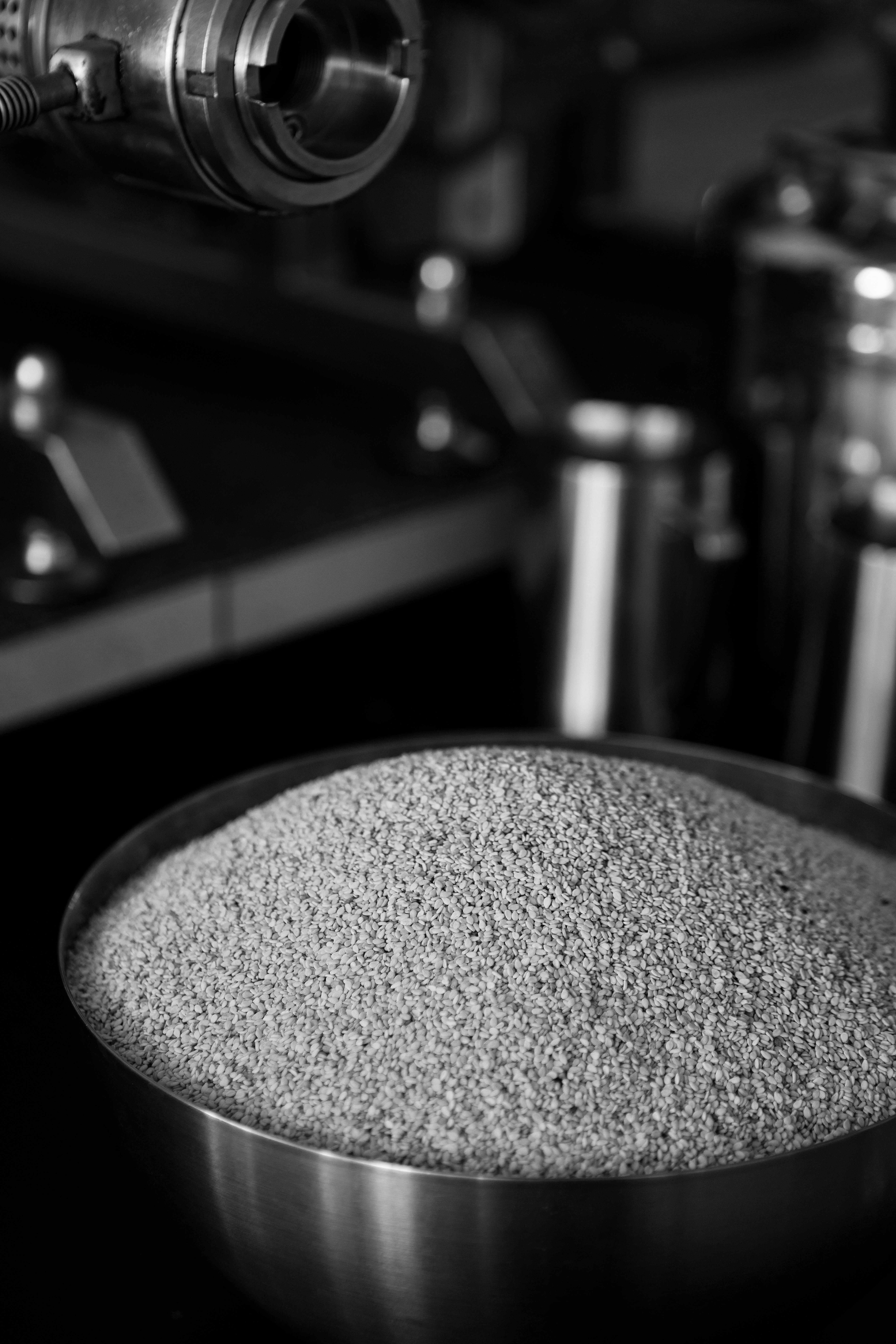
처음 다룬 것은 우리의 전통기름이었습니다. 같은 재료에서 나온 기름이라도 어떻게 짜고 어떻게 보관하느냐에 따라 약이 되기도 하고 독이 되기도 한다는 것을 알게 되었기 때문입니다. 기름을 짜는 일은 온도와의 싸움입니다. 온도를 올릴수록 깨는 더 많은 것을 내어놓습니다. 양이 늘고 향이 짙어지지만, 그 짙음은 깨가 타면서 나는 것입니다. 우리는 손바닥을 얹고 견딜 수 있는 온도에서 압력을 거둡니다. 양은 적어지고 원가는 올라갑니다. 대신 맑은 빛깔과 한 박자 늦게 올라오는 향이 남습니다. 지인을 통해 받은 첫 주문 백 세트를 온 식구가 채우고 라벨을 붙이던 며칠을, 우리는 아직도 회사의 첫 페이지로 여깁니다.
2018년 브뤼셀 국제미각대회에서 제품명을 가린 채 미각으로만 평가받아 참기름과 생들기름이 대상을 받았습니다. 셰프들이 참기름을 조심스러워하는 이유는 분명합니다. 향이 앞서면 재료 본연의 가치를 가리기 때문입니다. 낮은 자리에서 천천히 착유한 기름은 앞에 나서지 않습니다. 주인공을 가리지 않는 조연이 되는 것, 그것이 온도를 낮춘 진짜 이유였습니다.
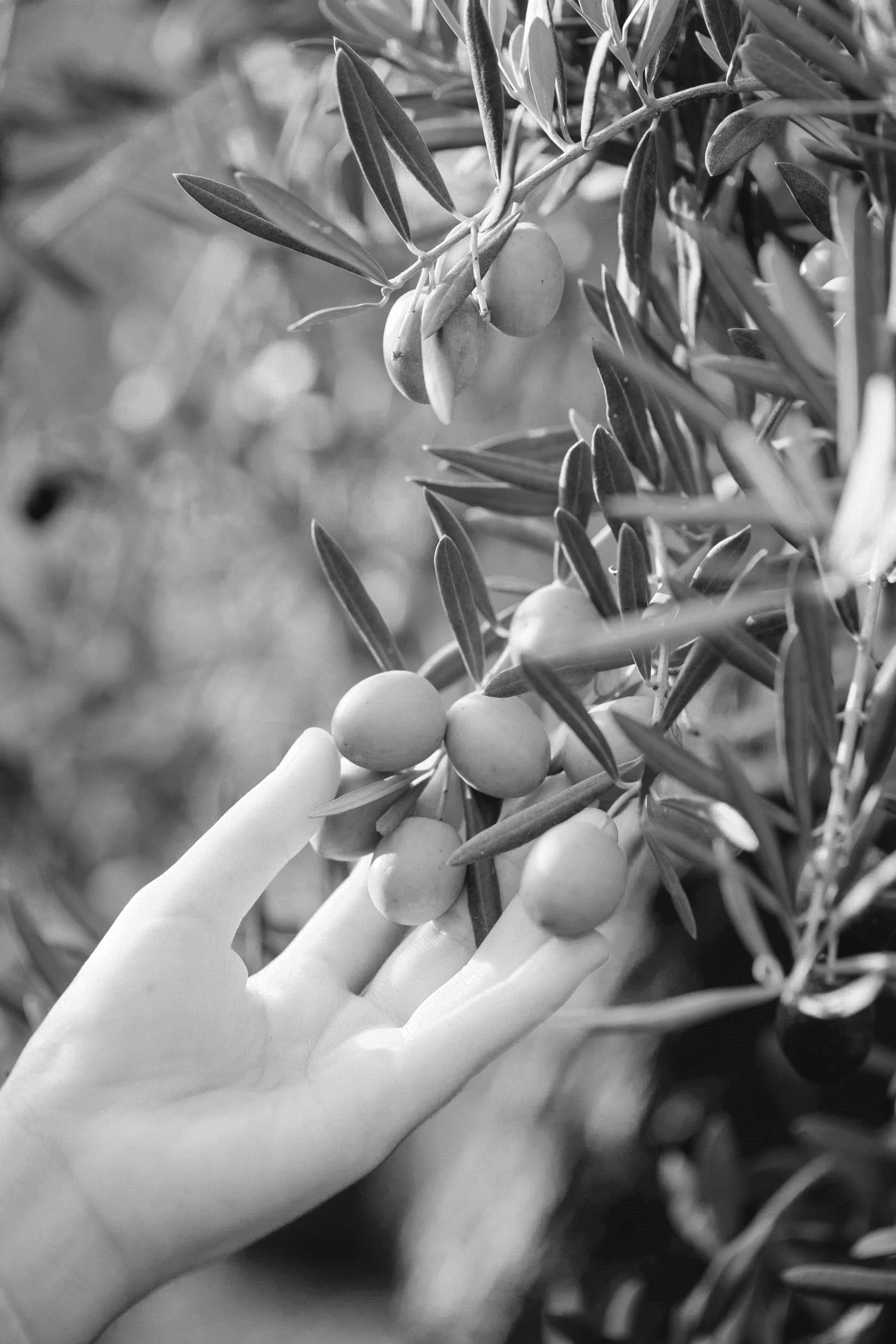
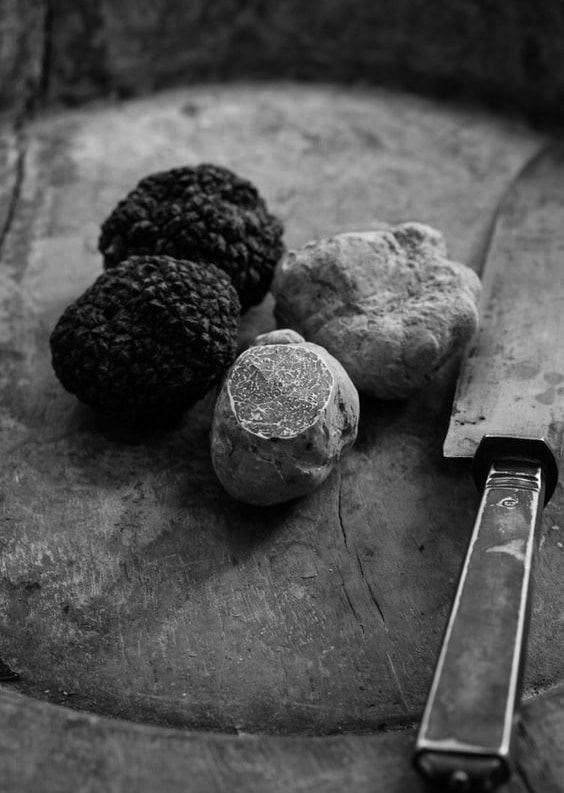
2020년 상주시 함창읍에 붉은 벽돌 2층 공장을 올렸습니다. 지나던 분들이 문을 밀고 들어와 카페냐고, 더러는 성당이냐고 묻습니다. 안에서는 깨 볶는 냄새와 트러플 향, 클래식 음악이 함께 새어 나옵니다. 공장보다 방앗간이라는 말이 여전히 더 맞는 것 같습니다. 이곳에서 우리는 트러플오일도 만듭니다. 좋은 트러플오일의 본질은 두 가지뿐입니다. 향을 품을 베이스오일이 얼마나 신선한가, 그리고 트러플 향의 개성을 얼마나 정확하게 옮겨 오는가. 앞의 질문은 우리가 깨를 앞에 두고 몇 해째 붙들고 있던 질문과 같은 것이었습니다. 여러 나라를 돌아다닌 끝에 스페인 우티엘 언덕의 엑스트라버진 올리브유와 미국 볼티모어 랩의 천연 에센스를 찾았습니다.
상주의 참깨와 스페인의 올리브를 한 진열대에 나란히 올려놓으면 어색해 보입니다. 그러나 방앗간은 곡식을 재배하는 곳이 아니라, 농부가 재배한 것을 바꾸어 필요한 사람에게 돌려주는 곳이었습니다. 지역에서 난 것을 만들어 파는 일도, 먼 곳의 것을 이곳의 상 위로 옮겨 오는 일도 저희에게는 같은 일입니다. 빨리 가는 방법은 아직 배우지 못했습니다. 다만 우리 식구가 먹는 것과 같은 것만 내보낸다는 원칙 하나는, 백 세트의 병을 채우던 그 날부터 바꾸지 않았습니다.
The Molina:
a mill doesn't grow it,
but keeps it, and hands it on.
It began with a single flower on an apartment balcony in Seoul. For five years after that, we spent our weekends with our hands in the soil of a rented plot an hour outside the city, and slowly, without quite deciding it, our family of eight had already moved south. In the summer of 2016 we finally loaded the truck. Sangju, in Gyeongsangbuk-do, 150 kilometers from Seoul. A road with no return date brings more fear than excitement, and when we arrived it felt, honestly, like being pushed to the edge of the world. What filled that emptiness wasn't people. It was one dog, two cats, eleven chickens, and a garden that never stopped blooming and fading and blooming again.
When the seasons had come full circle, the next question arrived: what would we live on now? After tending a few rows of vegetables, we had to admit two things. Our family wasn't strong enough for the land, and farming was never a matter of strength alone. So instead of working the soil, we chose to stand where the harvest arrives — to receive what the land had already made. Molina is the name we gave that decision. In Latin, molina means mill. The old village mill was where grain was pressed and where neighbors traded news. We borrowed that old name.
We started with our own traditional oils. We had learned something simple and sobering: oil from the same seed can be medicine or poison, depending on how it is pressed and how it is kept. Pressing oil is a contest with temperature. The hotter it gets, the more the seed gives up — more volume, deeper color, heavier aroma. But that heaviness is the smell of sesame beginning to burn. So we stop the press at a temperature you could rest your palm against, and take only what the seed offers on its own. The yield falls and the cost rises. What remains is a clear color and an aroma that rises half a beat late. Our first order came through a friend — one hundred sets. We still think of those few days, the whole family filling bottles and applying labels, as the first page of this company.
In 2018 we entered the International Taste Institute in Brussels, where chefs and sommeliers judge blind, by taste alone. Our sesame oil and cold-pressed perilla oil both received Superior Taste Awards. Chefs are careful with sesame oil for a clear reason: when the aroma leads, it hides what the ingredient itself has to offer. Oil pressed slowly, at a low temperature, doesn't step forward. Being the supporting player who never blocks the lead — that was the real reason we lowered the heat.
In 2020 we built our own mill in Hamchang, Sangju: a small two-story building in red brick. People passing by push the door open and ask if it's a café, sometimes if it's a chapel. Inside, the smell of roasting sesame, the scent of truffle, and classical music drift out together. Mill still fits better than factory. This is also where we make our truffle oil. A good truffle oil comes down to two things: how fresh the base oil that carries the aroma is, and how faithfully the character of the truffle is carried over. The first question was the same one we had been holding in our hands for years, standing in front of the sesame. After searching across several countries, we found our extra virgin olive oil on a hillside in Utiel, Spain, and our natural truffle essence in a laboratory in Baltimore.
Sesame from the fields of Sangju and olives from a Spanish hillside look strange side by side on the same shelf. We know that. But the mill never grew the grain — it transformed what the farmer grew and returned it to the people who needed it. Growing and making what this region gives us, and bringing something from far away to the table here, are the same work to us. We still haven't learned how to move quickly. But one principle hasn't changed since the day we filled those hundred bottles: we send out only what we keep in our own kitchen and feed to our own family.

건강한 식품을 이웃과 공유하다.

새로운 풍미를 열어드립니다
