Local Food
몰리나는 상주, 문경, 예천 등 주변 농가에서 생산한 100% 국내산 참깨만을 사용합니다.
우리 농가와 상생하면서 우리 참깨의 우수성을 몰리나오일을 통해 세계에 널리 알리겠습니다.
또한 지역농산물을 새롭게 머천다이징하여 세계적인 식품으로 판매함으로 우리 농식품의 우수성을 알리는 것, 이것이 몰리나의 농업에 대한 철학입니다.
Molina uses only 100% Korean sesame, grown by farms around us in Sangju, Mungyeong and Yecheon. Working alongside those farms, we intend to carry the quality of Korean sesame to the world through Molina oils. To merchandise regional produce in a new way and sell it as food of international standing — making the quality of Korean agri-food known — is Molina's philosophy of farming.
참깨(Sesame seed)
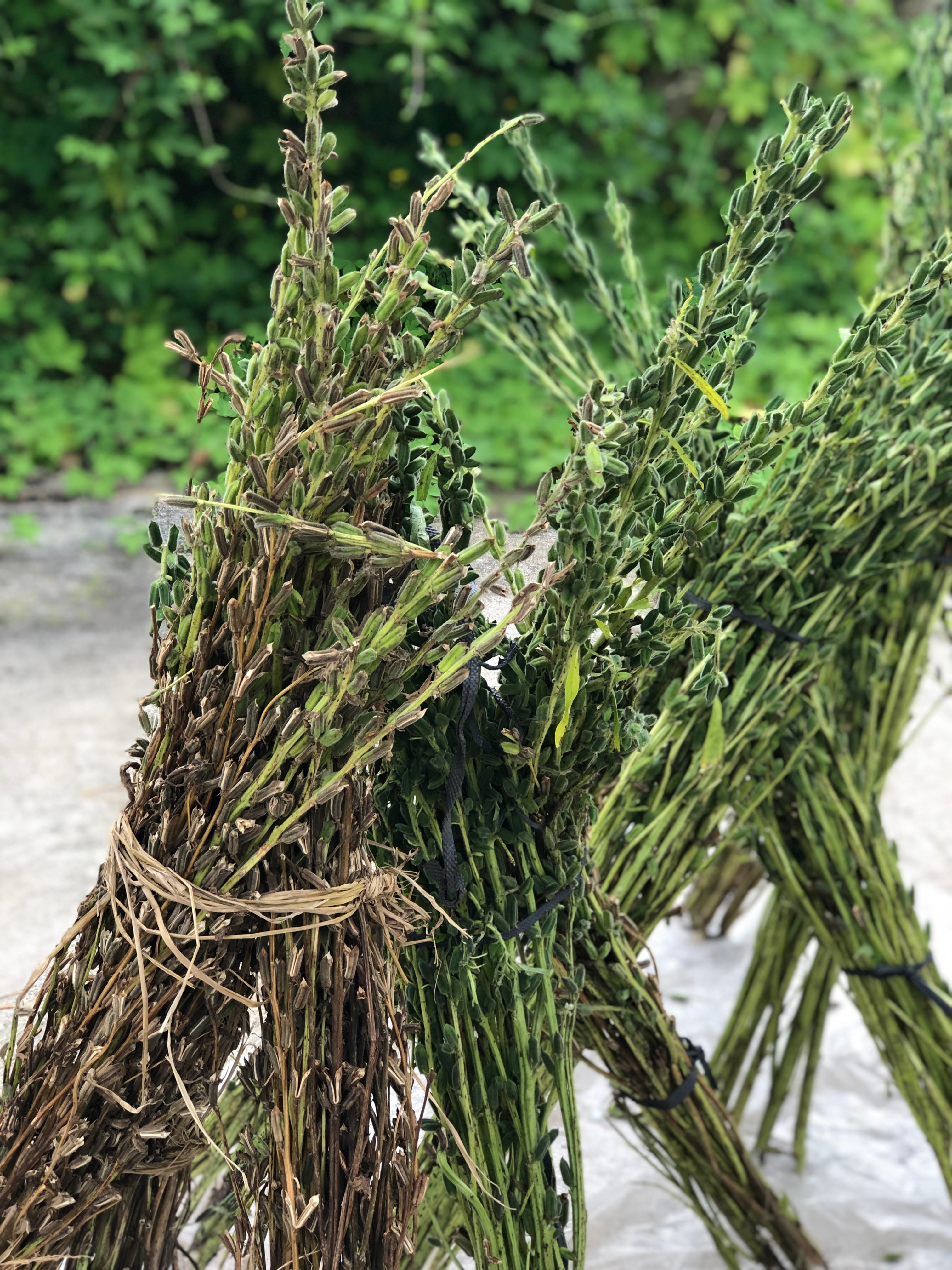
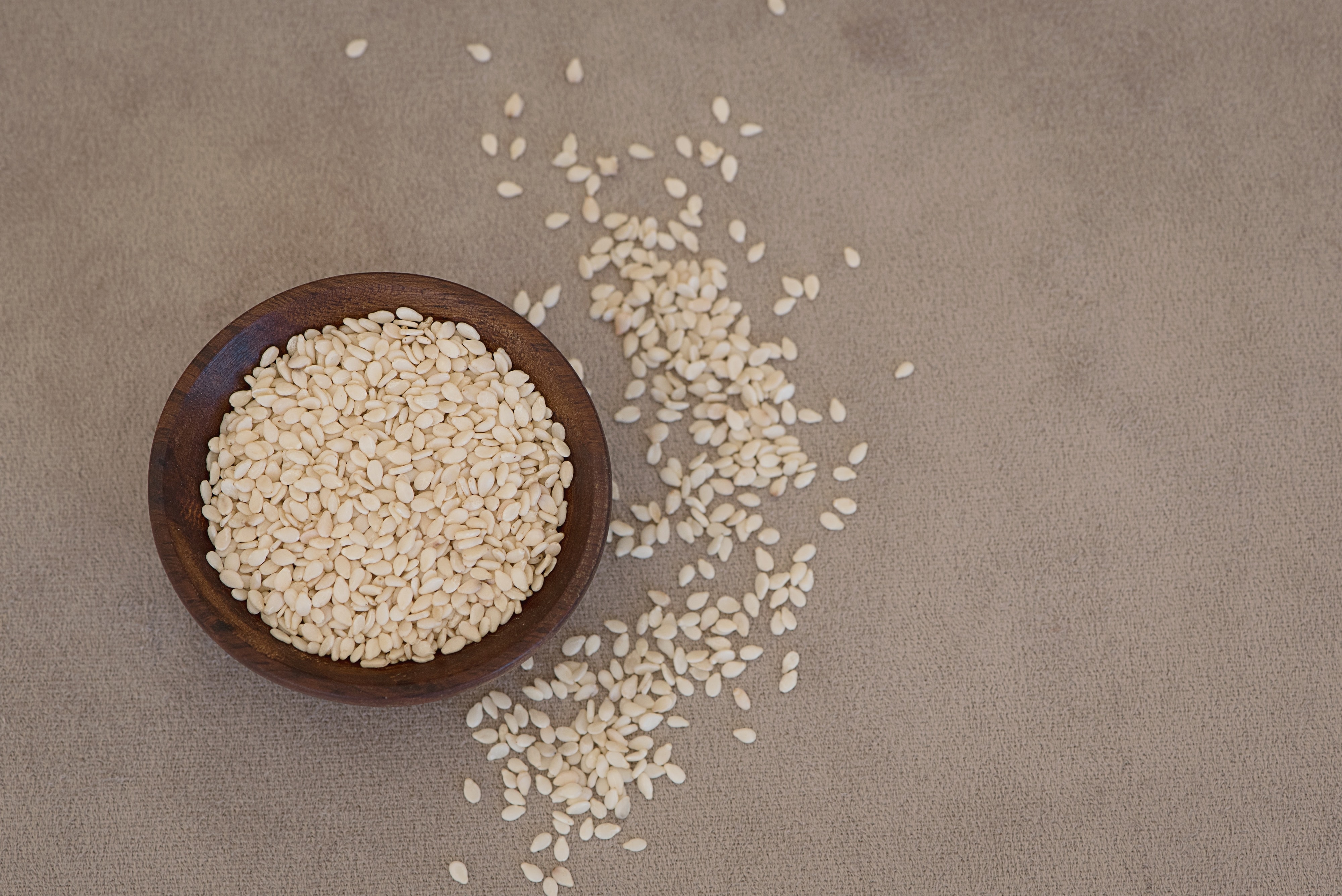
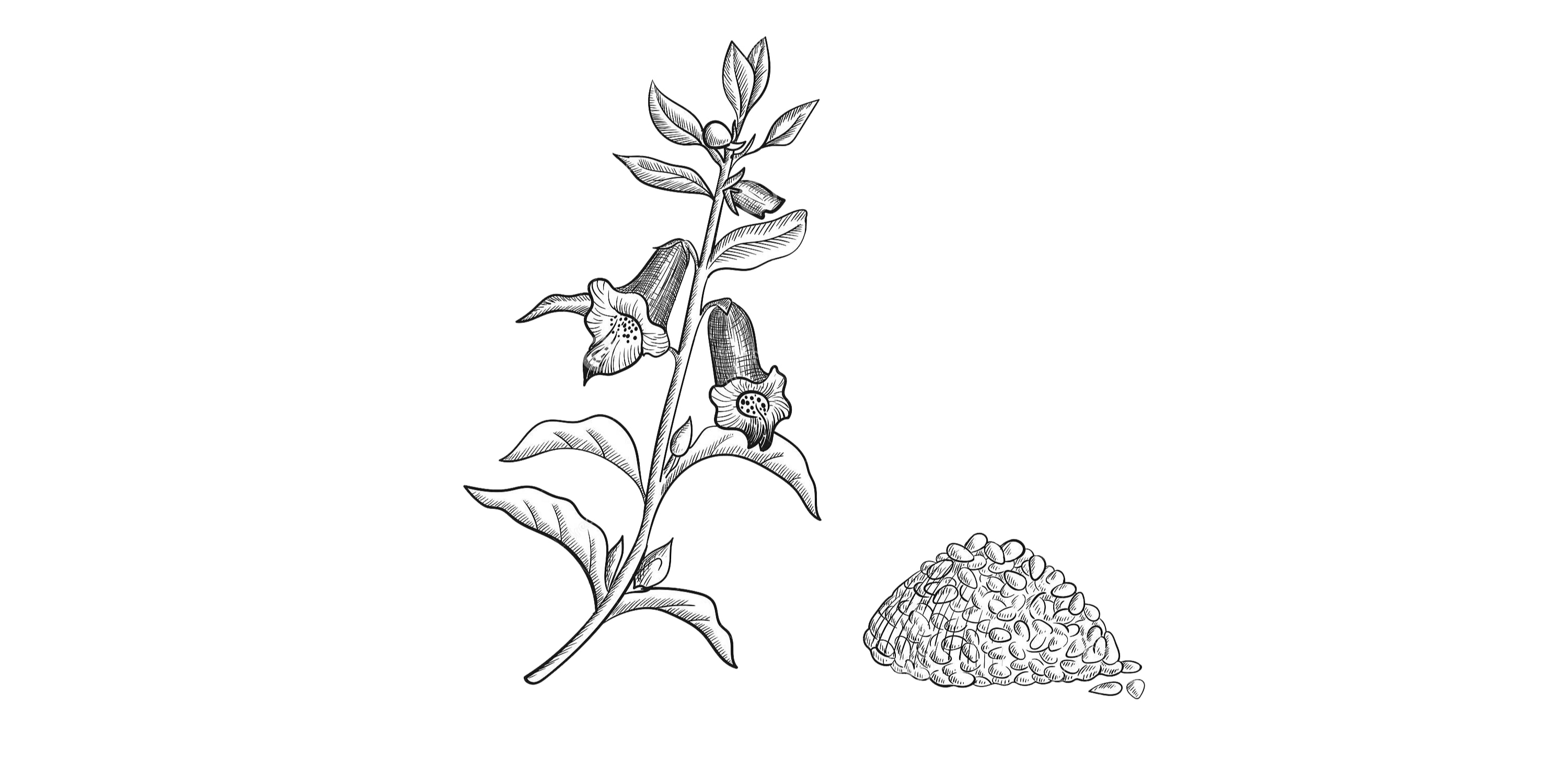
참깨는 호마과(胡麻, Pedaliaceae), 참깨속(Sesamum)에 속하는 한해 살이풀로 30여종의 야생종과 1종의 재배종(S. indicum)이 있습니다. 키는 보통 1m 내외로 자라며, 마디로 되어 있는 줄기와 종모양의 꽃, 그리고 땅속 깊이 뿌리 내리는 큰 뿌리로 구성되어 있습니다. 꽃 하나에 열매가 들어있는 꼬투리가 하나씩 달리며, 그 속에는 50~80개의 열매가 여러 칸에 나뉘어져 들어 있습니다.
열대지방에서 주로 분포하나, 중국, 러시아, 미국 등지의 북위 40 ̊까지도 재배가 가능합니다. 하지만 고온 건조한 지대에 잘 적응된 작물로 기온이 20°C 이상 되어야 재배가 가능하고, 습한 조건에 매우 약합니다. 보통 5월에 심어 8월 하순~9월 초순경에 수확하는데, 이 기간 동안의 우리나라의 기상조건은 6월말 장마, 가을 강수로 참깨가 자라는 데 상당히 불리합니다.
기름작물 중에서 재배가 가장 오래된 참깨의 원산지는 인도라는 설과 아프리카 지역이라는 설이 존재합니다. Vavilov(1926)는 인도, 에티오피아 및 중앙아시아를 1차 발상지로, 다양한 변이를 보이는 중국을 2차 발상지로 주장하고 있고 Murdock(1959)과 많은 다른 학자들은 참깨속(屬)이 가장 많이 분포하는 아프리카 지역을 참깨의 원산지라고 주장하고 있습니다. 현재는 참깨 야생종이 아프리카에서 많이 발견된 점을 근거로 아프리카 사바나 지대를 원산지로 보고 있습니다. 우리나라의 경우에도 수단, 케냐 등지에서 참깨를 수입하고 있습니다.
참깨는 기원전 3천 년경 아프리카 사바나 지역에서 육로와 해로를 통해 아라비아, 인도, 중국 등지에 전해진 것으로 추정됩니다. 아프리카 동부 연안으로부터 해로를 이용하여 아라비아, 인도, 스리랑카, 동남아시아 쪽으로 전파되었으며 육로로는 고대 이집트로부터 지중해 연안을 거쳐 실크로드를 따라 인도, 중국, 한국, 일본 등지로 전파된 것으로 보입니다.
서양에서는 참깨를 신의 식품, 힘과 에너지의 원천, 그리고 젊음을 유지시켜 주는 식품으로 여겨 왔습니다. 아시리아의 천지창조 신화에서 신이 인간 세상을 만들 때, 참깨로 술을 빚어서 마셨다고 전하고 있어 신의 식품으로 간주하고 있습니다. 상형문자로 된 파피루스 의약서(기원전 1,500년)에 참깨가 약용으로 이용되었다는 기록이 있으며 바빌론의 여성들은 젊음과 아름다움을 유지하기 위해, 고대 로마 군인들은 힘과 에너지를 얻기 위해 꿀과 참깨를 섞어 복용했습니다.
동양에서는 불로장생의 묘약, 신선의 음식, 종교 의식, 그리고 고급 식품으로 다양하게 이용했습니다. 인도에서는 식용은 물론 불교 의식, 가로등용 기름, 마사지와 치아 건강용 등 실생활에 필요한 재료로 이용했습니다. 6세기 중국의 도학자인 도홍경(陶弘景)은 곡식 중에서도 가장 좋은 식품이라 칭송하였으며, 본초강목에는 수명 연장의 약으로 기록되어 있습니다. 우리나라에서도 신선이 먹는 음식으로 여겨져 왔으며, 조선시대에 들어 귀한 식품으로 선물이나 뇌물로도 이용되었습니다.
우리나라에서 참깨는 참기름으로 가장 많이 이용되고, 볶은 참깨, 깨소금 등으로 다양한 요리에 이용하고 있습니다. 우리나라를 비롯한 중국, 일본에서는 볶은 참기름을 선호하는 반면, 서양에서는 스팀으로 찌거나 생으로 짠 참기름을 좋아합니다. 참깨는 고온으로 볶아서 짜면 고소한 냄새가 나지만 찌거나 생으로 짜면 향이 거의 없습니다. 참깨의 주 생산지인 아시아와 아프리카 지역에서도 식용유, 소스, 음식의 부재료로 다양하게 이용하고 있습니다. 터키의 타히니(Tahini), 중동의 할바(halvah), 일본의 후리카케, 오니기리 등이 있습니다.
예로부터 약으로 이용해오던 참깨에는 노화를 방지해주는 항산화 물질이 다량 함유되어 있습니다. 참깨 섬유질이 분해되면서 생기는 리그난에는 세사민, 세사몰린, 세사미놀 등이 있으며 이는 성인병 예방에 도움되고 세사민은 악성콜레스테롤(LDL)을 억제하는데 뛰어난 효능이 있어 고혈압 예방에 도움이 됩니다. 세사미놀은 숙취의 원인인 아세트알데히드 분해를 촉진시키고, 기억력 손상 예방과 개선에 효능이 있고 그 외에 리그난의 콜레스테롤 대사 조절작용, 간 기능 증강 작용, 암세포 증식 억제 효과 등이 인정되고 있습니다. 올레산, 리놀레산 등 불포화지방산과 시스틴, 메티오닌 등 필수 아미노산 등이 많아 동맥경화 등 혈관계 질환예방 효과가 보고되고 있습니다. 그 밖에 비타민(B1, B2, E), 칼슘(Ca), 셀레늄(Se) 등 기능성 미량 성분이 풍부하게 함유합니다. 비타민 B1과 B2는 신진 대사활동에 관여하며, 희귀 원소인 셀레늄은 세포의 노화를 방지하며, 칼슘은 골다공증을 예방한다고 알려져 있습니다.
참깨는 개도국을 중심으로 수출이 이루어지는 반면, 가공식품인 참기름은 일본 등 경제수준이 높은 나라에서 주로 수출하고 있습니다 전세계 참기름 수출 1위는 일본입니다. 대부분의 국가에서 참기름의 95%는 자국에서 생산하여 소비되는 형태이며, 주요 수출국은 일본, 중국, 멕시코, 탄자니아 등입니다.
우리나라는 수확과 건조기(期)의 기상에 따라 작황변동이 심하고, 일손이 많이 가는 단점으로 해마다 생산량이 감소하고 있습니다 재배의 까다로움 때문에, 대규모 보다는 소면적에서 주로 자가 소비 목적으로 농사를 짓는 방식이 대부분입니다. 참깨로 수입되는 양은 국내 생산량의 8.6배에 달하는 규모입니다.
Sesame is an annual of the family Pedaliaceae, genus Sesamum, which contains some thirty wild species and a single cultivated one, S. indicum. The plant grows to around a metre, with a jointed stem, bell-shaped flowers and a deep taproot. Each flower sets a single capsule, and within it fifty to eighty seeds sit divided among several chambers.
It is chiefly a tropical crop, though cultivation reaches as far as 40°N in China, Russia and the United States. Adapted to hot, dry ground, it needs temperatures above 20°C and is highly vulnerable to wet conditions. Sown in May and harvested from late August into early September, it meets Korean weather at an awkward time: the late-June monsoon and autumn rains both work against it.
Sesame is the oldest of the oil crops in cultivation, and its origin is disputed. Vavilov (1926) placed the primary centre in India, Ethiopia and Central Asia, with China — where the variation is wide — as a secondary centre. Murdock (1959) and many others argued instead for Africa, where the genus is most widely distributed. The prevailing view now favours the African savannah, on the evidence of the many wild species found there. Korea, for its part, imports sesame from Sudan and Kenya among others.
From the African savannah, sesame is thought to have travelled to Arabia, India and China around 3000 BCE, by land and by sea. The sea route ran from the east African coast to Arabia, India, Sri Lanka and Southeast Asia; the land route from ancient Egypt along the Mediterranean and onto the Silk Road, reaching India, China, Korea and Japan.
In the West it was long regarded as food of the gods, a source of strength and energy, and a preserver of youth. The Assyrian creation myth holds that the gods drank a wine brewed from sesame as they made the world of men. A hieroglyphic papyrus of medicine from 1500 BCE records its use as a drug; the women of Babylon took sesame with honey to keep their youth and beauty, and Roman soldiers took the same mixture for strength.
In the East it served as an elixir of long life, food of the immortals, ritual offering and delicacy alike. India used it for food, for Buddhist rites, as lamp oil, and for massage and dental care. The sixth-century Chinese Daoist scholar Tao Hongjing praised it as the finest of the grains, and the Compendium of Materia Medica records it as a medicine that lengthens life. In Korea it was likewise held to be food of the immortals, and by the Joseon period it had become a precious commodity, given as gift and as bribe.
In Korea, sesame is used above all as sesame oil, along with roasted seed and kkaesogeum across a wide range of dishes. Korea, China and Japan prefer oil pressed from roasted seed, while the West favours steamed or cold-pressed oil. Roasting at high heat brings out the nutty aroma; steaming or cold pressing leaves the oil almost scentless. Across Asia and Africa, the main producing regions, sesame serves as cooking oil, sauce and secondary ingredient — Turkish tahini, Middle Eastern halva, Japanese furikake and onigiri among them.
The plant long used as medicine is rich in antioxidants that slow ageing. The lignans released as sesame fibre breaks down include sesamin, sesamolin and sesaminol, which are held to help prevent lifestyle disease; sesamin is noted for suppressing LDL cholesterol and so for its part in preventing hypertension. Sesaminol is reported to accelerate the breakdown of acetaldehyde, the cause of hangover, and to help prevent and improve memory impairment. Lignans are further credited with regulating cholesterol metabolism, strengthening liver function and inhibiting the proliferation of cancer cells. Abundant unsaturated fatty acids such as oleic and linoleic acid, together with essential amino acids including cystine and methionine, are reported to help prevent vascular disease such as arteriosclerosis. Sesame also carries functional trace elements in quantity — vitamins B1, B2 and E, calcium and selenium. B1 and B2 take part in metabolism, the rare element selenium is known to slow cellular ageing, and calcium to guard against osteoporosis.
The seed is exported largely by developing countries, while the processed oil is exported mainly by wealthier ones. Japan is the world's leading exporter of sesame oil. In most countries some 95 percent of sesame oil is produced and consumed domestically; the principal exporters are Japan, China, Mexico and Tanzania.
In Korea, yields swing with the weather at harvest and drying, and the labour the crop demands has pushed production down year on year. Because it is difficult to grow, most sesame is farmed on small plots for the growers' own use rather than at scale. Imported sesame now runs to 8.6 times domestic production.
What is in the sesame
Sesame carries a group of compounds known as lignans — sesamin, sesamolin and sesaminol among them — which set it apart from other oilseeds. Its fatty acids are led by unsaturated ones such as oleic and linoleic acid, and the seed also holds amino acids including cystine and methionine, vitamins B1, B2 and E, calcium and selenium.
For anyone working with the oil, the lignans matter most. They are strongly antioxidant, and they are why sesame oil resists rancidity better than most vegetable oils. During roasting, part of the sesamolin converts to sesamol, which contributes to the oil's oxidative stability. There is a reason sesame oil has long been regarded as one that keeps.
Lignan content varies with variety, growing conditions, and above all with how the seed is pressed. Raising the temperature raises the yield, but something is lost on the way. Aroma is not the only reason Molina holds the press low.
참깨에는 리그난이라 불리는 성분군이 들어 있습니다. 세사민, 세사몰린, 세사미놀이 여기에 속하며, 참깨를 다른 유지작물과 구별 짓는 성분입니다. 지방산은 올레산과 리놀레산 같은 불포화지방산이 중심을 이루고, 시스틴과 메티오닌 같은 아미노산, 비타민 B1·B2·E, 칼슘과 셀레늄도 함유되어 있습니다.
리그난은 참기름을 다루는 입장에서 특히 중요한 성분입니다. 이들은 강한 항산화 특성을 지녀, 참기름이 다른 식물성 유지에 비해 산패에 잘 견디는 이유가 됩니다. 볶는 과정에서 세사몰린의 일부가 세사몰로 바뀌며, 이 성분이 오일의 산화 안정성에 기여합니다. 참기름이 예로부터 오래 두고 쓸 수 있는 기름으로 여겨진 데에는 이런 배경이 있습니다.
다만 리그난의 함량은 품종과 재배 조건, 그리고 무엇보다 압착 방식에 따라 달라집니다. 온도를 높여 짜면 수율이 오르지만, 그 과정에서 잃는 것도 있습니다. 몰리나가 낮은 온도를 고집하는 이유는 향 때문만이 아닙니다.