엄선된 몰리나의 트러플
몰리나는 세계 각지에서 생산되는 트러플 중 깊은 향과 풍부한 풍미를 지닌 원료만을 엄선합니다.
트러플 본연의 섬세한 아로마와 고급스러운 맛을 온전히 담아내기 위해 원료의 품질부터 생산 과정까지
꼼꼼하게 관리하며, 한 방울에도 프리미엄의 가치를 담고 있습니다.
안데스소금(Andes lake salt)
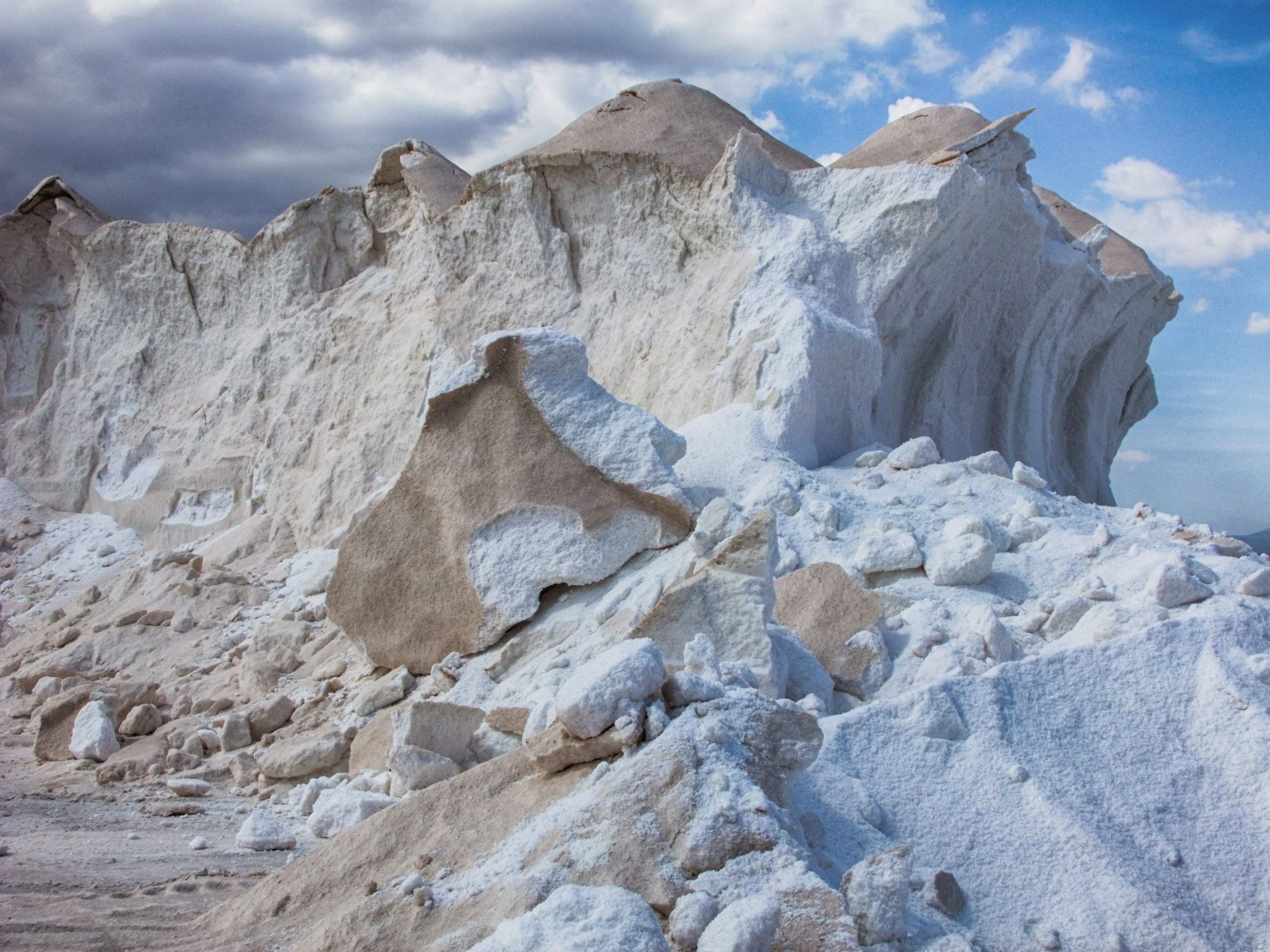
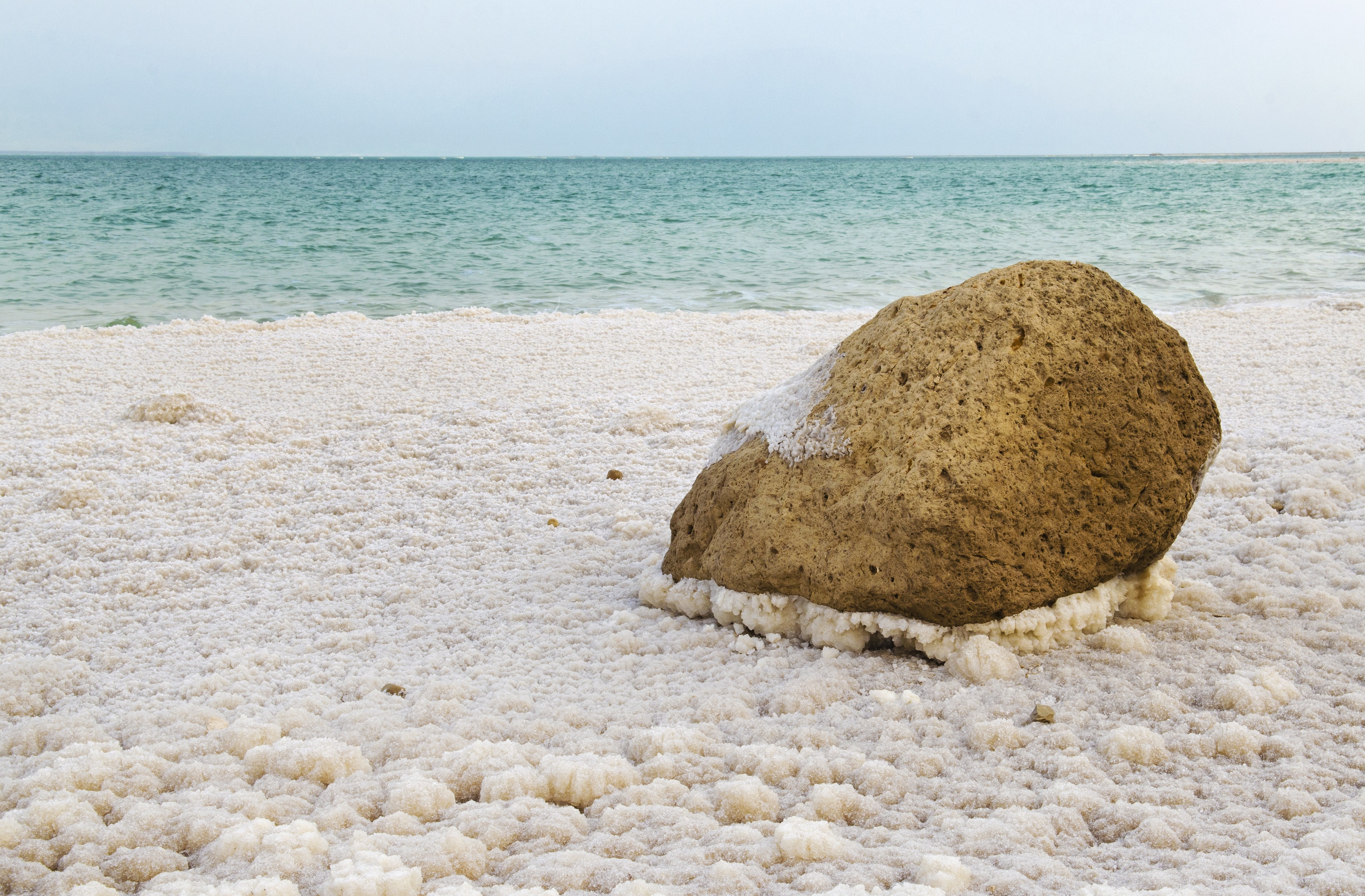
Salt is sodium chloride that was once dissolved in seawater, underground brine, or lake water and has hardened into crystals. It is named for where it was obtained. Salt made by trapping seawater in salt pans and drying it with sun and wind is sea salt, and the Korean cheonilyeom belongs to this group. Salt mined from ancient seas sealed underground is rock salt, and salt taken from inland salt lakes with no connection to the sea is lake salt. Andean lake salt is salt harvested from the salt lakes of the high plateaus and foothills of South America's Andes, the salt flats known locally as salares or salinas.
The Andean salt lakes lie in basins formed as the mountains rose. They are closed basins: water flows in but never drains to the sea. Rain and snowmelt dissolve minerals from the surrounding peaks, carry them down, pool, evaporate, and leave only salt behind. Such lakes line the high plateau where Bolivia, Argentina, and Chile meet. The largest is Salar de Uyuni in southwestern Bolivia. At about 3,656 meters above sea level and 10,582 square kilometers, it is the largest salt flat in the world. It took its present form when prehistoric Lake Minchin, which covered the region some 30,000 to 42,000 years ago, gave way to Lake Tauca and then dried out. The salt accumulated there is estimated at around 10 billion tonnes, yet less than 25,000 tonnes are harvested each year.
The difference between sea salt and lake salt is not one of quality but of how each was formed. Seawater carries magnesium chloride, magnesium sulfate, and potassium chloride alongside sodium chloride. As seawater is boiled down, sodium chloride crystallizes first, while the highly soluble magnesium salts remain liquid to the end. That residual liquid is bittern. Sea salt is harvested still wet with it, which is why in Korea cheonilyeom is stacked in warehouses for a year or two to let the bittern drain. The magnesium in bittern tastes bitter and leaves a dull finish behind the saltiness. Lake salt is the product of the same evaporation, repeated over thousands of years at high, dry altitude where the air is thin. The soluble magnesium salts seep between the crystals down into the brine beneath the salt layer, and what remains on the surface are sodium chloride crystals dried by sun and wind. Lake salt holds little bittern not because there is none, but because it has sunk below. Its saltiness arrives straight, withdraws quickly, and leaves no bitterness behind.
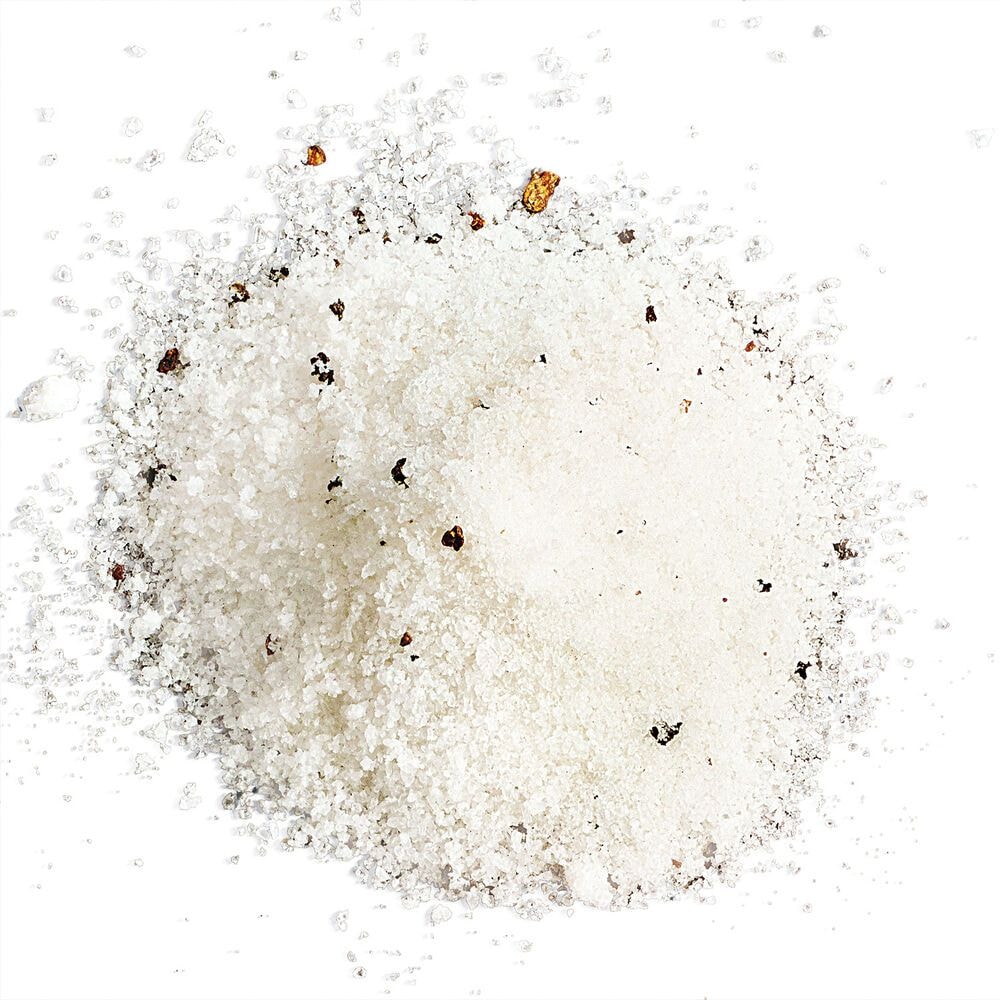
Lake salt has its season. In the rainy months, rain and snowmelt spread a thin sheet of water over the flat and turn it into a mirror of the sky; when the dry season comes, the water evaporates and the hard salt crust emerges again. That is when the salt is gathered. Surface salt is scraped into small conical mounds, and the sun and wind of the plateau draw off the remaining moisture. In Colchani, a village at the edge of Uyuni, people still do this work with picks and shovels. Because the salt comes from a lakebed, tiny dark mineral grains occasionally appear in it. They are less a flaw than a trace of where the salt came from.
There is one thing a consumer should check: the food type printed on the package. "Lake salt" is a product name, not a legal category. Korea's Food Code defines cheonilyeom as salt obtained by naturally evaporating seawater in salt pans, and classifies salt obtained from natural sources other than seawater, such as rock salt and lake salt, as "other salt." Other salt imported for food must be classified and certified as edible salt in its country of production. A package of lake salt should list "other salt" as its food type, name the country of origin, and carry the notice that the import declaration has been completed. If the name and the category do not match, it is worth a second look.
There is a reason the origin of salt has come to matter. In 2018, a research team led by Professor Kim Seung-Kyu of Incheon National University, working with Greenpeace East Asia, analyzed 39 salt brands from around the world and found microplastics in 36 of them. Per kilogram, sea salt contained 0 to 1,674 particles (excluding one outlier), lake salt 28 to 462, and rock salt 0 to 148, with especially high counts in sea salts produced in Asia. The researchers treated sea salt as an indicator of microplastic pollution in the waters where it was made. Lake salt was not a clean zero. But because it never passes through the sea, one pathway by which the state of the ocean reaches the salt is closed.
Of all these factors, the one that matters most to anyone who handles salt is moisture. Pure sodium chloride begins to draw water from the air and dissolve only as relative humidity nears 75 percent. Magnesium chloride starts pulling in water at around 33 percent. Think of Korea's monsoon humidity, and it becomes clear why salt with residual bittern turns damp and clumps so easily. On damp salt, aroma compounds lose their footing as well. Dimethyl sulfide, one of the principal aroma compounds of black truffle, is volatile enough to boil at 37°C. Even lake salt will absorb moisture if kept above 75 percent humidity for long. It is best stored tightly sealed in a cool, dry place. Clumped salt has not spoiled and will loosen after a moment in a dry pan. Flavored salt, however, loses its aroma to heat first, so it is better loosened by shaking the jar than by toasting.
Andean lake salt is plainly salty, without bitterness, and so it earns its place wherever the flavor of an ingredient must be revealed rather than covered: well-seared meat and fish, eggs, ripe tomatoes with olive oil, plates on which the ingredient is the lead. It belongs, too, where a single grain of salt is set on sweetness, as with butter, chocolate, or ice cream. And as the base for a salt that must carry a delicate aroma such as truffle over time, a quiet-tasting salt is the right one.
소금은 바닷물이나 땅속, 호수의 물에 녹아 있던 염화나트륨이 결정으로 굳은 것입니다. 이름은 그 소금을 어디서 얻었는지에 따라 붙습니다. 바닷물을 염전에 가두어 햇볕과 바람으로 말린 것을 해염이라 하고, 우리가 천일염이라 부르는 소금이 여기에 속합니다. 오래전 바다가 땅속에 갇혀 굳은 것을 캐낸 것은 암염이고, 바다와 이어지지 않은 내륙의 소금호수에서 얻은 것은 호수염입니다. 안데스 호수염은 남아메리카 안데스산맥의 고원과 산록에 자리한 염호, 현지에서 살라르(salar) 또는 살리나(salina)라 부르는 소금 평원에서 얻은 소금을 가리킵니다.
안데스의 염호는 산맥이 솟아오르며 생긴 분지 안에 있습니다. 물이 흘러 들어오기만 하고 바다로 빠져나가지 못하는 닫힌 분지여서, 빗물과 눈 녹은 물이 주변 산의 광물을 녹여 싣고 내려와 고였다가 증발하고 소금만 남깁니다. 볼리비아와 아르헨티나, 칠레가 만나는 고원에 이런 염호가 줄지어 있습니다. 가장 큰 것은 볼리비아 남서부의 살라르 데 우유니입니다. 해발 약 3,656미터, 넓이 10,582제곱킬로미터로 세계에서 가장 넓은 소금 평원이며, 3만~4만2천 년 전 이 일대를 덮고 있던 선사시대의 민친 호수가 타우카 호수를 거쳐 말라붙으면서 지금의 모습이 되었습니다. 이곳에 쌓인 소금은 약 100억 톤으로 추정되지만, 해마다 거둬들이는 양은 2만5천 톤이 채 되지 않습니다.
해염과 호수염의 차이는 좋고 나쁨의 차이가 아니라 만들어진 과정의 차이입니다. 바닷물에는 염화나트륨 말고도 염화마그네슘, 황산마그네슘, 염화칼륨이 함께 녹아 있습니다. 바닷물을 졸이면 염화나트륨이 먼저 결정이 되고, 물에 잘 녹는 마그네슘염은 끝까지 액체로 남습니다. 이 남은 물이 간수입니다. 천일염은 간수에 젖은 채로 거둬지기 때문에, 우리나라에서는 창고에 쌓아 한두 해씩 간수를 빼는 과정을 거칩니다. 간수의 마그네슘은 쓴맛을 내고 짠맛 뒤에 텁텁함을 남깁니다. 호수염은 같은 증발을 수천 년에 걸쳐, 공기가 희박하고 건조한 고지대에서 되풀이하며 쌓인 소금입니다. 잘 녹는 마그네슘염은 결정 사이를 빠져나가 소금층 아래의 염수로 내려가고, 표면에는 햇볕과 바람에 마른 염화나트륨 결정이 남습니다. 호수염에 간수가 적은 것은 간수가 없어서가 아니라 아래로 내려가 있기 때문입니다. 짠맛이 곧게 들어왔다가 빨리 물러나고, 뒤에 쓴맛이 남지 않는 것이 이 소금의 성질입니다.
호수염은 거두는 때가 정해져 있습니다. 우기에는 비와 눈 녹은 물이 소금 평원을 얇게 덮어 하늘을 비추는 거울이 되고, 건기가 오면 물이 날아가며 단단한 소금 지각이 드러납니다. 소금은 이때 거둡니다. 표면의 소금을 긁어 원뿔 모양의 작은 무더기로 쌓아 두면 고원의 햇볕과 바람이 남은 물기를 걷어 갑니다. 우유니 가장자리의 콜차니 마을 사람들은 지금도 곡괭이와 삽으로 이 일을 합니다. 호수 바닥에서 온 소금이라 드물게 작고 검은 광물 알갱이가 섞여 나오기도 하는데, 이것은 결함이라기보다 소금이 어디서 왔는지를 보여주는 흔적에 가깝습니다.
소금을 두고 소비자가 확인해야 할 것이 하나 있습니다. 포장에 적힌 식품유형입니다. '호수염'은 제품의 이름이지 법이 정한 분류가 아닙니다. 우리나라 식품공전은 천일염을 염전에서 해수를 자연 증발시켜 얻은 소금으로 정의하고, 암염이나 호수염처럼 해수가 아닌 자연물에서 얻은 소금은 기타소금으로 분류합니다. 식용으로 수입하는 기타소금은 생산국에서 식염으로 분류·인증된 것이어야 합니다. 호수염을 샀다면 식품유형 칸에 기타소금이, 원산지 칸에 생산국이, 그리고 수입신고를 마쳤다는 문구가 적혀 있어야 합니다. 이름과 분류가 맞지 않으면 한 번 더 살펴보는 편이 좋습니다.
소금이 어디서 왔는지가 중요해진 데에는 이유가 있습니다. 2018년 인천대학교 김승규 교수 연구팀과 그린피스 동아시아가 세계 39개 소금 브랜드를 분석한 결과, 36개에서 미세플라스틱이 검출되었습니다. 소금 1킬로그램당 해염은 0~1,674개(극단값 1건 제외), 호수염은 28~462개, 암염은 0~148개였고, 아시아에서 생산된 해염에서 특히 많이 나왔습니다. 연구진은 해염을 그 소금이 만들어진 바다의 미세플라스틱 오염을 비추는 지표로 보았습니다. 호수염도 깨끗한 영점은 아니었습니다. 다만 바다를 거치지 않는 만큼, 바다의 상태가 소금으로 옮겨 오는 길 하나가 닫혀 있습니다.
이 가운데 소금을 다루는 입장에서 특히 중요한 것은 습기입니다. 순수한 염화나트륨은 상대습도가 75퍼센트 가까이 올라가야 공기 중의 수분을 끌어당겨 녹기 시작합니다. 염화마그네슘은 33퍼센트 안팎에서 이미 물을 끌어당깁니다. 우리나라 장마철의 습도를 떠올리면, 간수가 남은 소금이 쉽게 눅눅해지고 뭉치는 까닭을 알 수 있습니다. 물기가 앉은 소금 위에서는 향 성분이 머물 자리도 불안정해집니다. 블랙트러플 향을 이루는 주요 성분 가운데 하나인 디메틸설파이드는 섭씨 37도에서 끓을 만큼 쉽게 날아가는 물질입니다. 호수염이라 해도 습도 75퍼센트를 넘는 곳에 두면 결국 습기를 먹습니다. 뚜껑을 꼭 닫아 서늘하고 마른 곳에 두는 것이 가장 좋고, 뭉친 소금은 변질이 아니므로 마른 팬에 잠시 볶으면 풀립니다. 다만 향을 입힌 소금은 열에 향이 먼저 날아가므로, 볶지 말고 병째 흔들어 푸는 편이 낫습니다.
안데스 호수염은 쓴맛 없이 짠맛이 곧아서, 재료의 맛을 덮지 않고 드러내야 하는 자리에서 제 몫을 합니다. 잘 구운 고기와 생선, 달걀, 잘 익은 토마토와 올리브유처럼 재료가 주인공인 접시가 그렇고, 버터나 초콜릿, 아이스크림처럼 단맛 위에 짠맛을 한 점 얹는 자리가 그렇습니다. 트러플처럼 섬세한 향을 입혀 오래 두어야 하는 소금의 바탕으로도, 맛이 조용한 소금이 알맞습니다.
What is in the andean salt
Salt is mostly sodium chloride. Take away the water, and nearly everything left is this one compound, though its purity differs from salt to salt. Korean standards require at least 70 percent in cheonilyeom, Korean solar sea salt, and at least 88 percent in "other salt," the category to which lake salt belongs. Alongside it are small amounts of magnesium, calcium, potassium, and sulfate, and fine mineral matter that does not dissolve in water. This small remainder decides how a salt tastes. Salt from the sea carries the sea's magnesium, and that is where the bitterness and dull finish behind its saltiness come from. The remainder in Andean lake salt comes not from the sea but from the rock of the mountains that ring its basin. Because the soluble magnesium salts have drained, over long ages, into the brine beneath the salt layer, it generally holds less magnesium than sea salt, and its saltiness arrives straight and leaves quickly.
The amount of magnesium is an especially important value for anyone who handles salt. The more magnesium, the faster salt takes on moisture; the less, the longer it stays dry and loose. Pure sodium chloride draws water from the air only as relative humidity nears 75 percent, but magnesium chloride, the main component of bittern, begins pulling in water at around 33 percent. Even Andean lake salt will clump when humidity stays above 75 percent, as it does through the Korean monsoon. Clumped salt has not spoiled. It has simply drawn in water as its composition dictates.
Moisture is a measure of dryness. Salt dried thoroughly by sun and wind holds little water, so it is less likely to weep or harden in its package. Pack harvested salt in a hurry, and water stays behind; given time, that water becomes a problem. This is why Korean salt standards set a separate moisture ceiling for each type of salt: 15 percent for cheonilyeom, 9 percent for other salt.
What comes along with the salt is the thing to guard against most. Salt brings with it whatever was in the place it formed. Salt from the sea carries what drifted in the seawater; salt from a lake carries the clay and minerals of the lakebed. The share that stays behind undissolved is called insoluble matter. It is a measure of what a salt came with, and it too is among the items in the standard. The tiny dark grains occasionally seen in lake salt are this. Dissolve salt in water and crystallize it again to strip away what came with it, and it will come out cleaner, but as something else. The shape of the crystal changes, and so does the name the law gives it: recrystallized salt.
And so the quality of salt is decided by where it came from, how thoroughly it was dried after harvest, and where and how it was kept. There is nothing a person can add afterward, only things to take away, and the more that is taken away, the more it becomes a different salt. That is why Molina chooses the place where the salt was formed instead of correcting the salt itself.
소금의 대부분은 염화나트륨입니다. 수분을 뺀 나머지의 거의 전부가 이 한 가지이며, 그 순도가 소금마다 다릅니다. 국내 소금 규격은 천일염에 70퍼센트 이상을, 호수염이 속하는 기타소금에 88퍼센트 이상을 요구합니다. 여기에 소량의 마그네슘과 칼슘, 칼륨, 황산염, 그리고 물에 녹지 않는 미세한 광물이 함께 들어 있습니다. 이 적은 몫이 소금의 맛을 가릅니다. 바다에서 온 소금에는 바닷물의 마그네슘이 따라오고, 짠맛 뒤에 남는 쓴맛과 텁텁함이 여기서 옵니다. 안데스 호수염의 나머지 몫은 바다가 아니라 분지를 둘러싼 산의 암석에서 왔습니다. 녹기 쉬운 마그네슘염이 오랜 세월 소금층 아래의 염수로 빠져 내려간 까닭에 해염보다 마그네슘이 대체로 적고, 짠맛이 곧게 들어왔다가 짧게 물러납니다.
마그네슘의 양은 소금을 다루는 입장에서 특히 중요한 값입니다. 마그네슘이 많을수록 습기를 빨리 먹고, 적을수록 오래 보송한 상태를 유지합니다. 순수한 염화나트륨은 상대습도가 75퍼센트 가까이 올라야 공기 중의 물을 끌어당기지만, 간수의 주성분인 염화마그네슘은 33퍼센트 안팎에서 이미 물을 끌어당깁니다. 안데스 호수염이라 해도 장마철처럼 습도 75퍼센트를 넘는 날이 이어지면 뭉치는 때가 있습니다. 뭉친 소금은 상한 소금이 아니라 성분대로 물을 끌어당긴 소금입니다.
수분은 건조도의 지표입니다. 햇볕과 바람에 충분히 마른 소금은 수분이 낮아 포장 안에서 녹아내리거나 굳을 위험이 적습니다. 거둔 소금을 서둘러 담으면 수분이 남고, 남은 수분은 시간이 지나 문제가 됩니다. 국내 소금 규격이 유형마다 수분의 상한을 따로 정해 두는 이유입니다. 천일염은 15퍼센트, 기타소금은 9퍼센트가 그 선입니다.
섞여 들어오는 것은 소금에서 가장 조심해야 할 요소입니다. 소금은 제가 난 자리의 것을 함께 데리고 옵니다. 바다에서 온 소금은 바닷물에 떠다니던 것을, 호수에서 온 소금은 호수 바닥의 흙과 광물을 품고 나옵니다. 물에 녹지 않고 남는 이 몫이 불용분입니다. 불용분은 소금이 무엇과 함께 왔는지를 알려주는 지표이며, 역시 규격 항목에 들어 있습니다. 호수염에서 드물게 보이는 작고 검은 알갱이가 이것입니다. 섞인 것을 걷어내려고 소금을 물에 녹여 다시 굳히면 깨끗해지기는 하나 다른 것이 되어 나옵니다. 결정의 모양이 바뀌고, 법이 부르는 이름도 재제소금으로 바뀝니다.
그래서 소금의 품질은 어디서 왔는가, 거둔 뒤 얼마나 말렸는가, 그리고 어디에 어떻게 보관되었는가가 결정합니다. 사람이 뒤에서 더할 수 있는 것은 없고, 덜어낼 수 있는 것만 있습니다. 덜어낼수록 다른 소금이 됩니다. 몰리나가 소금을 고치는 대신 소금이 난 자리를 고르는 이유는 그 때문입니다.