Local Food
몰리나는 상주, 문경, 예천 등 주변 농가에서 생산한 100% 국내산 들깨만을 사용합니다.
우리 농가와 상생하면서 우리 들깨의 우수성을 몰리나오일을 통해 세계에 널리 알리겠습니다.
또한 지역농산물을 새롭게 머천다이징하여 세계적인 식품으로 판매함으로 우리 농식품의 우수성을 알리는 것, 이것이 몰리나의 농업에 대한 철학입니다.
Molina uses only 100% Korean perilla, grown by farms around us in Sangju, Mungyeong and Yecheon. Working alongside those farms, we intend to carry the quality of Korean perilla to the world through Molina oils. To merchandise regional produce in a new way and sell it as food of international standing — making the quality of Korean agri-food known — is Molina's philosophy of farming.
들깨(Perilla Seed)
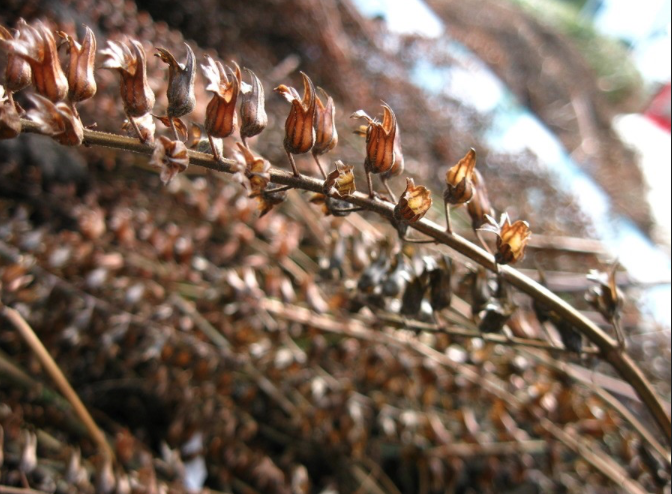
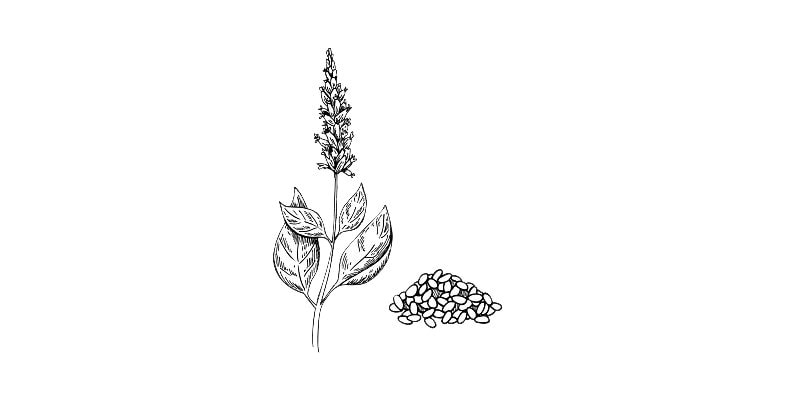
Perilla is an annual of the family Lamiaceae, genus Perilla, its botanical name Perilla frutescens. Though it shares the Korean word for "seed" with sesame, the two are entirely different plants: sesame belongs to the family Pedaliaceae, genus Sesamum. The square stem shows the Lamiaceae character plainly, and the same family gathers strongly aromatic plants such as basil, mint, oregano and rosemary. A mature stem reaches around 1.5 metres, and the leaf margins are toothed. Depending on purpose, the crop is divided into seed perilla, grown for the seed, and leaf perilla, grown for the leaves. Its close cousin is chajogi (shiso, 紫蘇), whose leaves run to deep purple and other colours and which differs in form and scent; it is cultivated mainly as a medicinal herb, a spice, a colourant and an ornamental. The two are near enough to hybridise naturally.
Sown in spring and setting seed in autumn, perilla is a summer crop that grows well even on rather poor ground so long as the drainage is good. Where seed is the aim, sowing in early June generally brings flowering in early September and harvest in early October. The plant's most striking trait is the accuracy of its biological clock. It reads day length so precisely that the flowering date holds almost regardless of when it was sown, and it flowers as the days shorten. Perilla under a streetlight or indoors will stand until frost without flowering, because light at night disturbs that clock and the plant loses track of the season. Leaf-perilla growing turns the principle around: lamps burned at night through the winter suppress flowering and extend the leaf harvest. For seed growers the same effect is a problem, and streetlight spill can leave a crop that never sets seed.
Perilla originates in East Asia, including the Korean peninsula. It is distributed from India through China and East Asia, and its thick seed and mildly scented leaf suit it to the table. Its seeds have been found alongside those of cucumber, melon and hemp at the sites of ancient states such as Mahan and Jinhan, evidence of a very long history of cultivation. It is thought to have grown wild around houses and in the fields from early times, and is regarded as a crop long cultivated by and particular to the Korean people. Old Korean texts record it as yuma (油麻), suimja (水荏子), im (荏) and susoma (水蘇麻); in Japanese it is egoma (荏胡麻). Korea, China and Japan alike called it jaso, while it is perilla in English, beefsteak plant in the United States, and bhanjira in India.
The earliest Korean record of its cultivation is the Nongsa jikseol (1429), after which it appears in many agricultural and cookery texts of the Joseon period. The Nongsa jikseol advises planting it at intervals of one ja (about 30 centimetres) around the grain fields in the third and fourth months to keep livestock from damaging the crop — the animals avoid the distinctive scent of the leaves and will not eat them. The names given to perilla in Joseon agricultural texts vary from book to book, most often using the characters 荏 or 麻. In the Tohoku region of Japan, a variety close to the Korean one is called jūnen (十年), a name said to come from the belief that it could add ten years to a life.
Beyond food, perilla oil was burned in lamps and applied to silk and vessels as a preservative against warping. The Donguibogam records reducing pressed perilla oil for use in silk weaving and lacquering. The property behind this is that on contact with air the oil thickens, dries hard quickly and turns yellow; perilla oil belongs with linseed and tung oil among the drying oils. It was used on paper umbrellas, and on the wooden columns of old buildings perilla oil, lacquer and dancheong painting were applied together to keep out damp and prevent warping and decay. During restoration of Bongjeongsa Geungnakjeon, the oldest wooden building in Korea, master carpenter Choi Ki-young used perilla oil for preservative treatment. Research on the conservation and dancheong of wooden cultural properties reports that unroasted raw perilla oil is preferable where a clear oil is wanted.
In Korea the seed is pressed for oil or ground to a powder, used throughout traditional cooking and in newer fusion dishes alike. Perilla powder goes most often into soups, seasoned vegetables and porridges, and lately into cream pasta, dressings and lattes. The oil is used in seasoned vegetable dishes, bibimbap and stir-fries; its high unsaturated fat content makes it unsuitable for deep frying. Perilla leaf stands with lettuce as the leading wrap vegetable and is eaten nowhere in the world but Korea; leaf kimchi and pickles are traditional foods that carried Korean tables through winters short of green vegetables. Neighbouring countries use the plant differently. Japan uses shiso (紫蘇), close to perilla leaf in shape but different in scent, fried or pickled and served with raw fish for its strong antibacterial properties. In Laos, a purple perilla leaf called pak maengda is served with rice noodles, and in Nepal and the Kumaon region of India it is known as silam or bhangira, roasted and ground with salt, chilli and tomato into a seasoning paste.
The seed is composed of roughly 43 percent fat, 18 percent protein and 28 percent carbohydrate. Alpha-linolenic acid, an omega-3 fatty acid, accounts for more than 63 percent of the fatty acids in perilla oil — the highest figure among plant oils — and among the varieties bred by the National Institute of Crop Science are some reaching around 65 percent. The leaves carry minerals such as iron, calcium and potassium, along with vitamins A and C and rosmarinic acid. The press cake left after extraction is rich in protein and is used as livestock feed and organic fertiliser, holding about 5.6 percent nitrogen, 2.5 percent phosphoric acid and 1 percent potassium.
The single most important characteristic in handling perilla oil is oxidation. Alpha-linolenic acid carries many double bonds and oxidises readily; exposure to light and oxygen in distribution or storage, or to high heat during cooking, sets oxidation going quickly, and autoxidation continues even when the oil is sealed and kept cool and dark. In storage trials by the Rural Development Administration, perilla oil held at 25°C showed a sharp rise in acid value and peroxide value from week 20 as rancidity advanced, while oil held at 4°C showed no change in either figure through week 40. Sesame oil stands in contrast, keeping better than most vegetable oils thanks to antioxidant compounds such as lignans and gamma-tocopherol. The drying-oil property that served so well on timber becomes, inside a bottle, the property that is hardest to manage. Roasting temperature, the time elapsed since pressing, and temperature through distribution therefore decide the quality of perilla oil — which is why raw perilla oil exists as a separate product category and why cold-chain distribution is recommended.
Perilla is grown mainly in China, India, Japan, Thailand and Korea, though rarely on a scale aimed at mass consumption. In Korea it ranks sixth by cultivated area — comparable to apples on area alone — and self-sufficiency has held at 50 to 60 percent since 2000. Imports arrive as seed rather than leaf, and as of 2012 almost all perilla imported into Korea came from China. Production value stood at 171.3 billion won for seed perilla in 2012 and 113.4 billion won for leaf perilla in 2011, rising steadily alongside growing meat consumption.
들깨는 꿀풀과(Lamiaceae), 들깨속(Perilla)에 속하는 한해살이풀로 학명은 Perilla frutescens입니다. '깨'라는 이름을 함께 쓰지만 호마과 참깨속에 속하는 참깨와는 식물학적으로 전혀 다른 식물입니다. 줄기가 사각형인 점에서 꿀풀과의 특징이 그대로 드러나며, 같은 과에는 바질, 민트, 오레가노, 로즈마리처럼 향이 강한 식물이 모여 있습니다. 다 자란 줄기는 1.5미터 내외이고, 잎의 가장자리는 톱니 모양입니다. 목적에 따라 종자를 생산하는 종실들깨와 깻잎을 수확하는 잎들깨로 구분합니다. 가까운 사촌으로 차조기(자소, 紫蘇)가 있는데, 잎이 진한 자주색을 비롯해 다양하고 형태와 향에서 차이가 있으며 주로 한약재와 향신료, 착색제, 관상용으로 재배됩니다. 둘은 매우 가까워 자연교잡이 가능합니다.
봄에 파종해 가을에 종실을 맺는 여름작물로, 물 빠짐이 좋은 토양이라면 다소 척박해도 잘 자랍니다. 종실을 목적으로 하는 경우 대개 6월 상순에 파종하면 9월 상순에 꽃이 피어 10월 상순에 수확합니다. 들깨의 두드러진 특성은 생체시계의 정확성입니다. 심는 시기와 관계없이 꽃이 피는 날짜가 일정할 정도로 낮의 길이를 정밀하게 인지하며, 해가 짧아지면 개화합니다. 가로등 아래나 실내의 들깨가 서리가 오도록 꽃을 피우지 않는 것은 야간의 빛이 이 시계를 교란해 계절을 잊게 만들기 때문입니다. 잎들깨 재배는 이 원리를 역으로 이용해 겨울철 야간에 전등을 켜 개화를 억제하고 깻잎 수확 기간을 늘립니다. 반대로 종실들깨 농가에서는 가로등 불빛 때문에 종실이 맺히지 않는 일이 생깁니다.
들깨의 원산지는 한반도를 포함한 동부 아시아 지역입니다. 인도에서 중국, 동아시아에 이르는 지역에 분포하며, 종자가 굵고 잎의 향기가 연하여 식용으로 적당합니다. 마한과 진한 등 고대국가 유적에서 오이, 참외, 삼 등의 종자와 함께 발견되는 것으로 보아 재배 역사가 매우 오래된 작물입니다. 예로부터 집 주변이나 들판에 자생했던 것으로 추정되며, 오래전부터 재배되어 온 한민족 고유의 작물로 봅니다. 우리 고문서에는 유마(油麻), 수임자(水荏子), 임(荏), 수소마(水蘇麻)로 기록되었고 일본어로는 에고마(荏胡麻)라 합니다. 한·중·일에서 공통적으로 자소라 불렸으며, 영명으로는 페릴라, 미국에서는 비프스테이크 플랜트, 인도에서는 반지라라 합니다.
재배에 관한 최초의 우리 기록은 『농사직설』(1429)이며 이후 많은 조선시대 농서와 조리서에 등장합니다. 『농사직설』에 따르면 포기간격을 1자(약 30센티미터)로 하여 3~4월에 오곡 주변에 심으면 가축의 피해를 예방한다고 기록되어 있는데, 들깨 잎의 고유한 향을 가축들이 기피하여 먹지 않기 때문입니다. 조선시대 농서에 나오는 들깨의 이름은 책에 따라 다양하며 임(荏)자나 마(麻)자가 쓰이는 경우가 대부분입니다. 일본 도호쿠 지방에서는 우리나라에서 재배되는 들깨와 비슷한 품종을 주넨(十年)이라 부르는데, 사람의 수명을 10년 늘릴 수 있다는 믿음에서 유래했다고 전합니다.
들기름은 식용 외에도 등불을 켜거나 비단이나 기물(器物)에 발라 변형을 막는 방부제로 이용했습니다. 『동의보감』에는 들기름을 짜서 졸여 비단 짤 때나 옻칠하는 데 쓴다는 기록이 있습니다. 들기름이 공기 중에서 산소와 만나면 점성이 증가하고 빨리 건조하여 딱딱해지며 색이 노랗게 변하는 특성을 이용한 것으로, 이러한 성질을 가진 건성유(乾性油)에는 아마인유, 동유와 함께 들기름이 해당합니다. 옛날 종이우산에도 활용되었으며, 고건축물의 목조 기둥에는 들기름과 옻칠, 단청을 칠하여 습기를 막고 뒤틀림이나 부패를 방지했습니다. 우리나라 최고(最古)의 목조건물인 봉정사 극락전 보수 공사 때 최기영 대목장이 방부처리를 위해 들기름을 이용했습니다. 목조문화재 보존 및 단청에 관한 연구결과를 보면 맑은 기름을 이용하는 데 볶지 않은 생들기름이 좋다고 보고되어 있습니다.
우리나라에서 종실은 기름을 짜거나 가루로 만들어 전통음식뿐 아니라 새롭게 선보이는 퓨전 음식에도 고루 이용되고 있습니다. 들깨가루는 국, 나물, 죽 등의 요리에 가장 많이 이용되며 최근에는 크림파스타, 드레싱, 라떼 등에도 쓰입니다. 들기름은 각종 나물무침, 비빔밥, 볶음 등에 사용되며 불포화지방 함량이 높아 튀김용으로는 적합하지 않습니다. 깻잎은 상추와 함께 쌈 채소의 대표 주자이자 전 세계에서 오직 우리나라 사람만이 먹는 식재료이며, 깻잎김치와 장아찌 등은 겨울철 푸른 채소가 부족하던 옛날부터 우리 민족의 식탁을 지켜오던 전통식품입니다. 주변국의 쓰임은 다릅니다. 일본이 이용하는 것은 시소(紫蘇)로 모양은 깻잎과 닮았으나 향이 다르며, 튀기거나 절임식품을 만들고 살균력이 강해 생선회에 곁들입니다. 라오스에서는 곽맹다라 불리는 자줏빛 들깻잎을 쌀국수에 곁들이고, 네팔과 인도의 쿠마운 지역에서는 실람 또는 방기라라 부르며 소금, 고추, 토마토와 함께 볶아 갈아서 양념장으로 이용합니다.
종실의 성분은 지방 43퍼센트, 단백질 18퍼센트, 탄수화물 28퍼센트로 구성되어 있습니다. 들기름의 지방산 중 오메가3 계열인 알파리놀렌산이 차지하는 비율은 63퍼센트 이상으로 식물성 기름 가운데 가장 높은 수치이며, 국립식량과학원이 육성한 품종 중에는 알파리놀렌산 함량이 65퍼센트 수준에 이르는 것도 있습니다. 깻잎에는 철분, 칼슘, 칼륨 등의 무기질과 비타민 A, C, 로즈마린산 등이 들어 있습니다. 기름을 짜고 남은 깻묵은 단백질이 풍부하여 가축사료와 유기질 비료로 이용되며 질소 5.6퍼센트, 인산 2.5퍼센트, 칼륨 1퍼센트가량을 함유합니다.
들기름을 다루는 데 있어 가장 중요한 특성은 산화입니다. 알파리놀렌산은 이중결합이 많은 구조여서 산화가 잘 일어나며, 유통이나 저장 중에 빛과 산소에 노출되거나 조리 중 높은 온도를 만나면 쉽게 산화가 진행됩니다. 밀봉하여 어둡고 낮은 온도에 보관하더라도 자동산화가 계속됩니다. 농촌진흥청의 저장 실험에 따르면 착유한 들기름을 25도에서 보관할 경우 20주부터 산가와 과산화물가가 급격히 증가해 산패가 빠르게 진행된 반면, 4도에서 보관한 경우에는 40주까지 두 수치에 변화가 없었습니다. 참기름이 리그난과 감마토코페롤 같은 항산화 성분 덕분에 다른 식물성 유지에 비해 저장이 용이한 것과는 대조적입니다. 목재에 발라 굳히는 데 유리했던 건성유의 성질이 병 속에서는 다루기 어려운 성질이 되는 셈입니다. 따라서 들기름은 볶는 온도, 착유 후 경과 시간, 유통 중의 온도 관리가 품질을 좌우하며, 생들기름이 별도의 제품군으로 존재하고 냉장 유통이 권장되는 이유가 여기에 있습니다.
들깨는 중국, 인도, 일본, 태국, 우리나라 등에서 주로 재배되고 있으나 대량소비를 목적으로 생산되는 경우는 적은 편입니다. 우리나라 재배면적 순위에서 6위를 차지하는 작물로 면적만으로 보면 사과와 비슷한 수준이며, 자급률은 2000년 이후 50~60퍼센트 수준을 유지해 왔습니다. 수입되는 형태는 깻잎이 아닌 종실이며, 2012년 기준 우리나라가 수입하는 들깨는 거의 전량이 중국산이었습니다. 종실들깨의 생산액은 2012년 1,713억 원, 잎들깨는 2011년 1,134억 원 규모로, 육류 소비의 증가와 함께 꾸준히 늘어왔습니다.
What is in the perilla
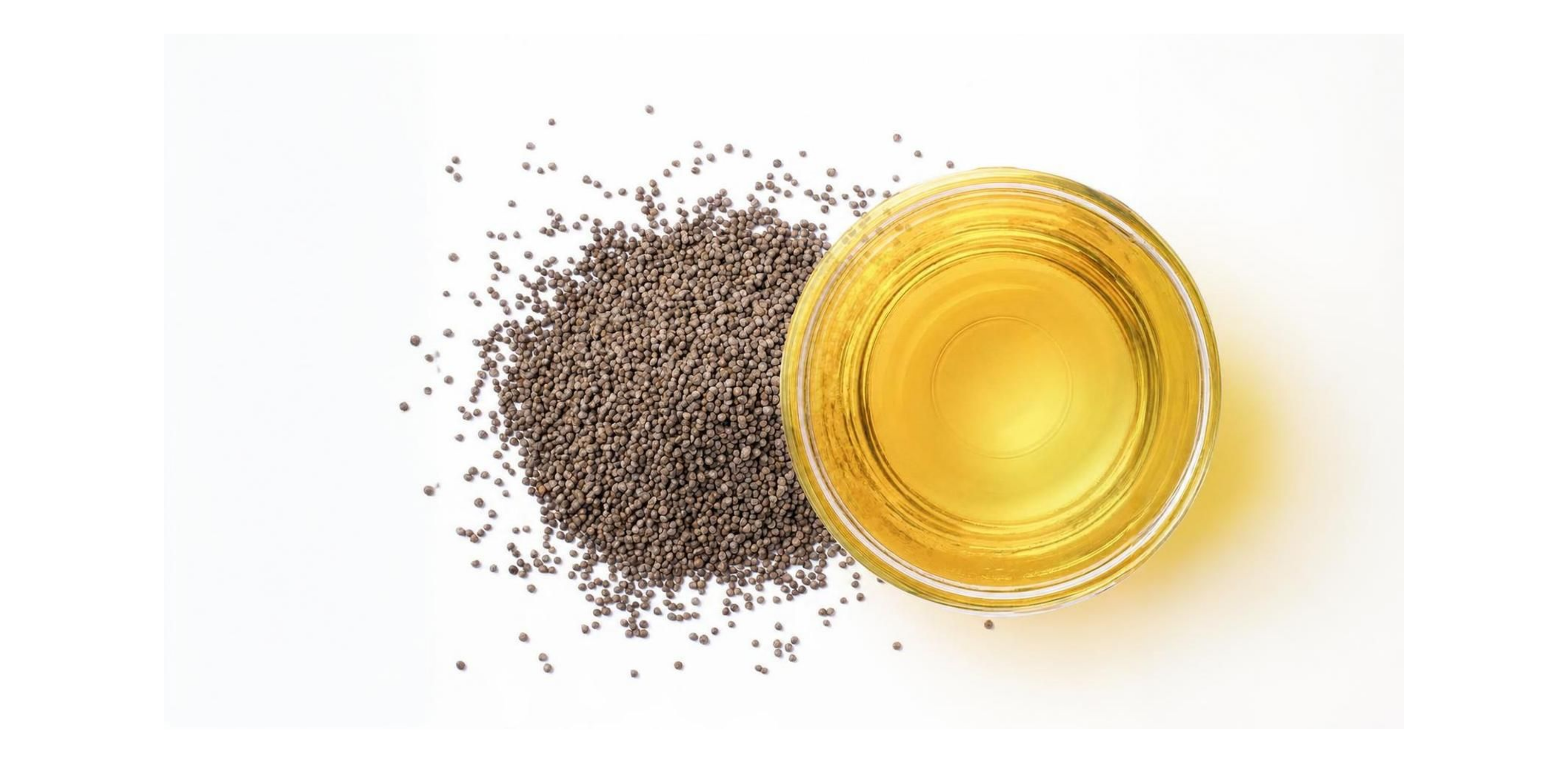
Perilla carries a fatty acid called alpha-linolenic acid. An essential fatty acid of the omega-3 family, it accounts for more than 63 percent of the fatty acids in perilla oil — the highest figure among plant oils, and the compound that sets perilla apart from other oilseeds. The seed is composed of roughly 43 percent fat, 18 percent protein and 28 percent carbohydrate, and the leaves hold minerals such as iron, calcium and potassium along with vitamins A and C and rosmarinic acid.
For anyone working with the oil, alpha-linolenic acid is a difficult compound. Its many double bonds oxidise readily: it reacts the moment it meets light, oxygen or heat, and autoxidation continues even in a sealed bottle kept cool and dark. In storage trials by the Rural Development Administration, perilla oil held at 25°C showed acid value and peroxide value climbing sharply from week 20, while oil held at 4°C showed no change in either through week 40. It sits at the opposite pole from sesame oil, which its lignans have long made an oil that keeps.
Earlier generations turned that same property to other ends. Because it hardens in air, perilla oil was brushed onto timber and silk as a drying oil, keeping damp and decay out of wooden columns. What served so well on wood becomes, inside a bottle, the hardest thing to manage.
The quality of perilla oil is therefore decided by roasting temperature, by the time elapsed since pressing, and by temperature through distribution. Raising the heat raises the yield, but something is lost on the way, and what is lost does not come back. Aroma is not the only reason Molina keeps raw perilla oil as its own product and holds the press low.
들깨에는 알파리놀렌산이라 불리는 지방산이 들어 있습니다. 오메가3 계열에 속하는 필수지방산으로, 들기름의 지방산 중 63퍼센트 이상을 차지합니다. 식물성 기름 가운데 가장 높은 수치이며, 들깨를 다른 유지작물과 구별 짓는 성분입니다. 종실은 지방 43퍼센트, 단백질 18퍼센트, 탄수화물 28퍼센트로 구성되고, 깻잎에는 철분과 칼슘, 칼륨 같은 무기질과 비타민 A·C, 로즈마린산이 함유되어 있습니다.
알파리놀렌산은 들기름을 다루는 입장에서 특히 까다로운 성분입니다. 이중결합이 많은 구조여서 산화가 쉽게 일어나며, 빛과 산소에 닿거나 높은 온도를 만나면 곧바로 반응합니다. 밀봉해 어둡고 서늘한 곳에 두어도 자동산화는 계속됩니다. 농촌진흥청의 저장 실험에서 25도에 둔 들기름은 20주부터 산가와 과산화물가가 급격히 올랐고, 4도에 둔 들기름은 40주까지 두 수치에 변화가 없었습니다. 참기름이 리그난 덕분에 오래 두고 쓸 수 있는 기름으로 여겨진 것과는 정반대의 자리에 있습니다.
옛사람들은 이 성질을 다른 쪽으로 썼습니다. 공기 중에서 굳고 단단해지는 건성유의 특성을 이용해 목재와 비단에 발랐고, 목조 기둥의 습기와 부패를 막았습니다. 목재 위에서 유리했던 성질이 병 속에서는 가장 다루기 어려운 성질이 됩니다.
그래서 들기름의 품질은 볶는 온도와 착유 후 경과한 시간, 그리고 유통 중의 온도가 결정합니다. 온도를 높여 짜면 수율이 오르지만, 그 과정에서 잃는 것이 있고 잃은 것은 돌아오지 않습니다. 몰리나가 생들기름을 별도로 두고 낮은 온도를 고집하는 이유는 향 때문만이 아닙니다.